
Two weeks after the shockwave caused by the far right's historic result in the Saxony-Anhalt regional elections, Germany is preparing to head back to the polls on Sunday, September 20. In Germany's federal system, where regional elections take place almost every year, two more Länder (federal states) out of the country's 16 are set to renew their regional parliaments and governments: the city of Berlin (population 3.9 million) and the region of Mecklenburg-Western Pomerania (population 1.6 million), which borders the Baltic Sea and is located in the former East Germany.
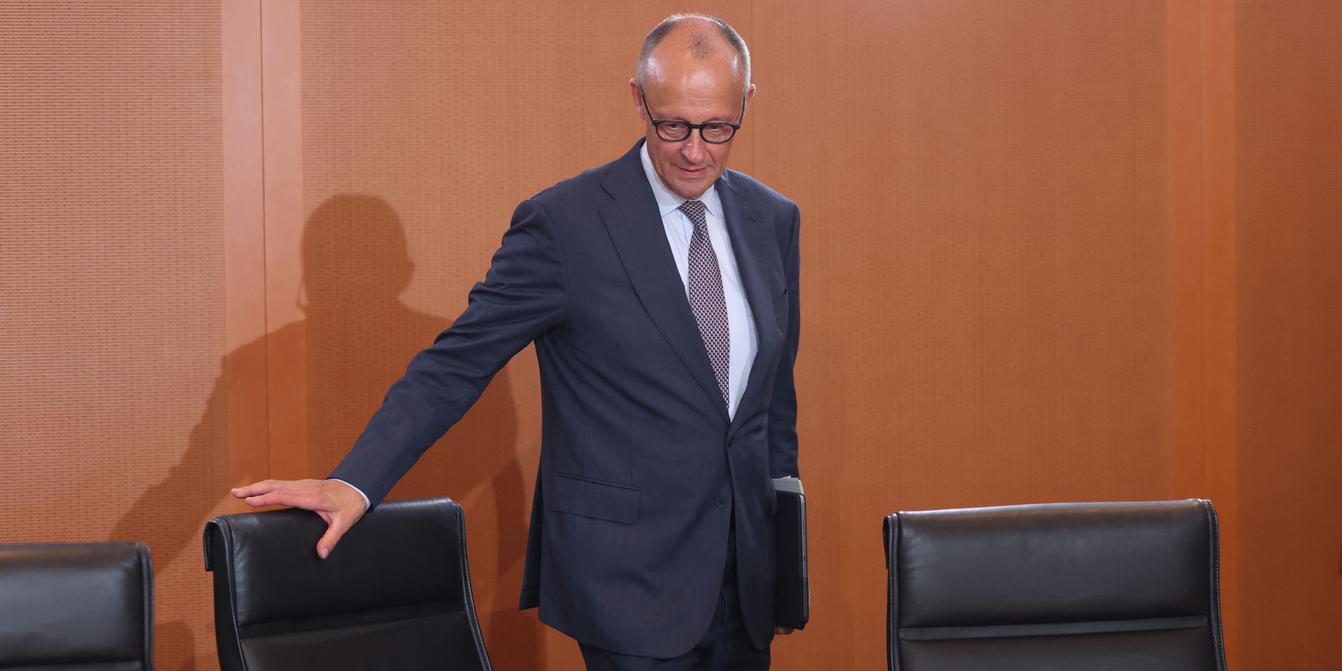
These elections, which involve just over 6% of the German population, would typically generate little interest outside the regions themselves. But for the coalition in power in Berlin since May 2025, and for Friedrich Merz, the unpopular chancellor leading it, these elections have become a matter of political survival.
"The political situation is extremely tense," said Thomas Biebricher, professor of political science at Goethe University Frankfurt. "There is real discontent with the government and the chancellor, who has been put under heavy pressure by his own party in recent days, with all sorts of unrealistic scenarios circulating." Indeed, many senior members of the Christian Democratic Union (CDU) have been quick to blame the chancellor for these poor results.
General
German chancellor Friedrich Merz faces mounting criticism ahead of September 20 regional elections
Source
Le Monde
· Elsa Conesa