
In DepthThe war waged by Israel has upended the structures of families in Gaza, where women now head nearly one in four households. Tens of thousands of Palestinian women have been left alone to feed their children and seek help and shelter in a dangerous environment.
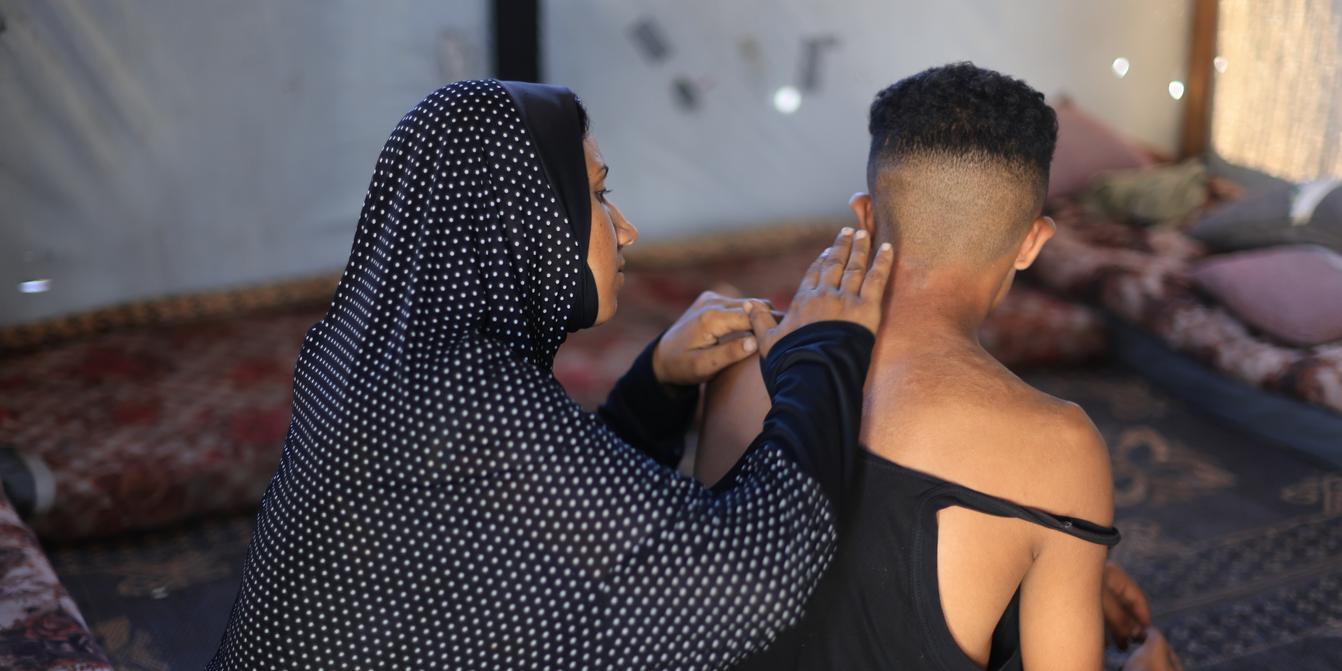
"I stay alive for my children, but my own life is over." That is how Hanane Abdel Aal describes her existence ever since her husband, Ashraf, was killed. A mother of four, originally from Rafah, a city in the south of the Gaza Strip that the Israeli army has turned into a heap of ruins, found refuge in a camp that shelters widows and their children. She is 35, but from her voice on the phone – the only way to speak to people in Gaza, where Israel has banned foreign journalists for almost three years now – one would guess she is older. It is a hoarse voice, one that reveals deep exhaustion.
Abdel Aal is one of tens of thousands of Palestinian women who have become the sole heads of their families after their husbands were killed in the war of annihilation Israel has waged in the Gaza Strip, after the massacres Hamas committed on Israeli soil on October 7, 2023.
According to a United Nations study published in September 2026, 86,290 women were in such a situation, representing 23% of all families in Gaza – almost double the number recorded before October 2023. Yet the actual figures could be higher. The study only counts households that are officially headed by women, not those that are unofficially but effectively led by women. For example, when husbands disappear – thousands of families in Gaza still have no news of one or more of their loved ones, according to the International Committee of the Red Cross – are detained, wounded or unable to fulfill their former roles within their families, their wives often become the main person responsible for the family's children, finances, food and access to aid. Yet they remain unofficial, and thus invisible in the statistics.
General
Gaza's women are the only ones keeping their families alive: 'I had to keep going to find food for the children'
Source
Le Monde
· Marie Jo Sader